Currently Empty: R0.00


5 Signs Your Home Needs a Water Softener System
Introduction
A water softener system can make a significant difference in your home’s water quality, plumbing efficiency, and daily comfort. Hard water contains high levels of calcium and magnesium that can gradually affect your appliances, fixtures, skin, and hair. If you’re experiencing recurring water-related problems, it may be time to consider installing a water softener system. Recognizing these warning signs early can help prevent costly repairs and improve your overall water experience.
What Is Hard Water?
Hard water contains dissolved minerals, primarily calcium and magnesium. While these minerals are not harmful to your health, they can create various problems throughout your home. Over time, mineral buildup can reduce appliance efficiency, clog pipes, and increase maintenance costs.
1. Soap and Detergent Do Not Lather Properly
One of the most common signs of hard water is poor soap performance. If you find yourself using excessive amounts of soap, shampoo, or detergent but still struggle to achieve effective cleaning, hard water minerals may be interfering with the cleaning process.
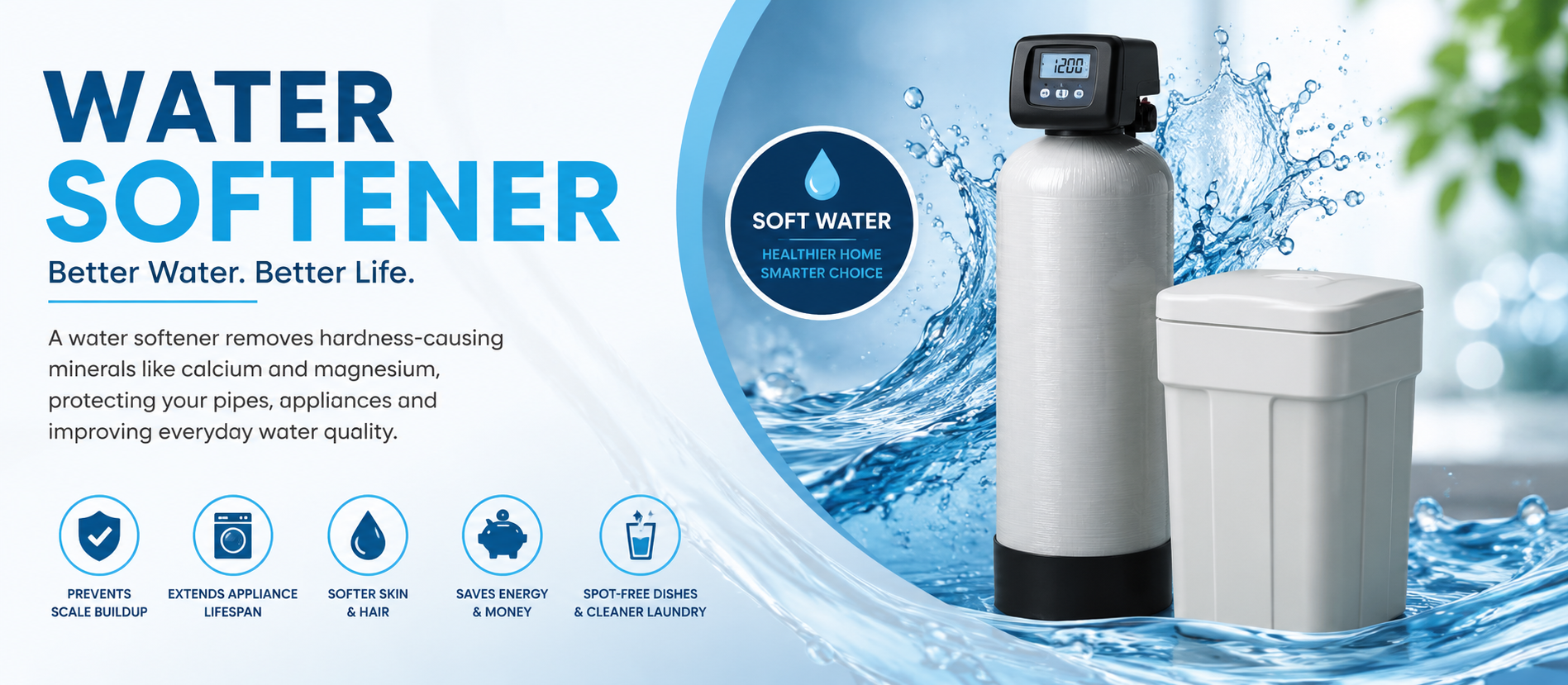
A water softener system removes hardness-causing minerals, allowing soaps and detergents to work more effectively and helping you use less product.
2. Water Spots on Dishes and Glassware
Do your glasses, dishes, and cutlery come out of the dishwasher covered in spots or cloudy streaks?
These marks are often caused by mineral deposits left behind when hard water evaporates. Installing a water softener system helps reduce these deposits, leaving dishes cleaner and glassware sparkling.
3. Dry Skin and Dull Hair
Hard water can affect more than your plumbing. Many homeowners notice dry skin, itchy irritation, and hair that feels dull or difficult to manage.
The minerals in hard water can leave a residue on your skin and hair after bathing. Softened water helps reduce this buildup, leaving skin feeling smoother and hair looking healthier.
4. Scale Build-Up on Fixtures and Appliances
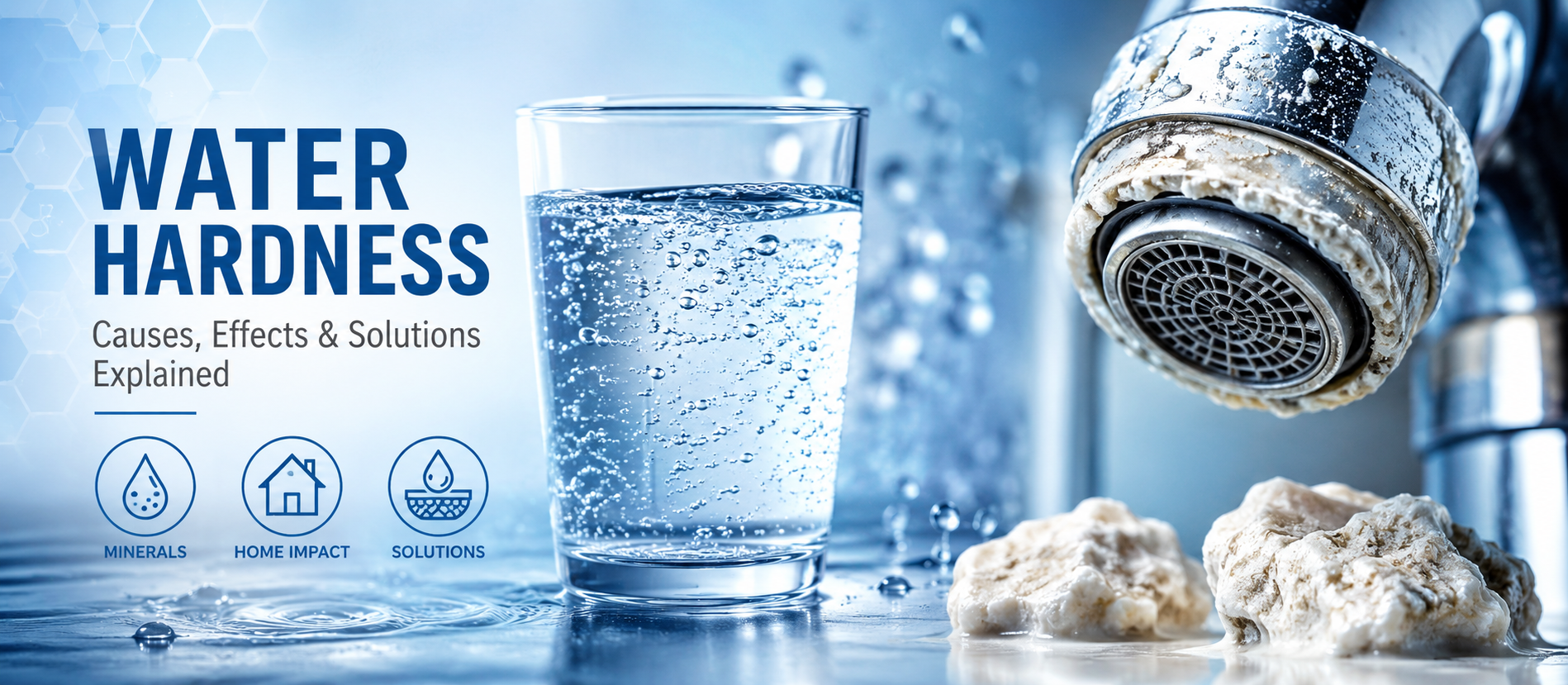
White, chalky deposits around taps, showerheads, kettles, and household appliances are clear indicators of hard water.
This scale buildup can:
- Restrict water flow
- Reduce appliance efficiency
- Increase energy consumption
- Shorten equipment lifespan
A water softener system significantly reduces mineral accumulation, helping your fixtures and appliances operate more efficiently for longer.
5. Frequent Plumbing and Appliance Problems
Mineral buildup does not only occur on visible surfaces. Hard water can accumulate inside pipes, water heaters, dishwashers, and washing machines.
Over time, this can lead to:
- Reduced water pressure
- Blocked pipes
- Increased repair costs
- Premature appliance failure
Installing a water softener system helps protect your home’s plumbing infrastructure and can reduce long-term maintenance expenses.
Benefits of Installing a Water Softener System
Improved Water Quality
Soft water feels cleaner and helps improve the effectiveness of soaps and detergents.
Longer Appliance Lifespan
Reducing scale buildup helps protect expensive household appliances from unnecessary wear.
Lower Energy Costs
Water heaters and appliances operate more efficiently when free from mineral deposits.
Reduced Cleaning Time
Soft water minimizes water spots and scale buildup, making household cleaning easier.
Greater Comfort
Many homeowners notice softer skin, shinier hair, and a more pleasant bathing experience after installing a water softener system.
How to Know if You Have Hard Water
Common indicators include:
- White scale deposits around taps
- Soap scum in showers and sinks
- Dry skin after bathing
- Cloudy dishes after washing
- Reduced water pressure
- Frequent appliance maintenance
If you notice several of these symptoms, a professional water test can confirm whether hard water is present.